“The Worksheet Dilemma”

A few favorite quotes for reflection from “The Worksheet Dilemma: Benefits of Play Based Curricula” by Dr. Sue Grossman

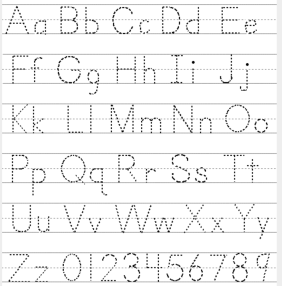
“While children may have the ability to perform a task, that does not mean that the task is appropriate and should be performed.”

“The mere accomplishment of the worksheet task does not signify the child’s ability to read or comprehend.”

“When we insist that children sit still and do what for them may be a meaningless task, such as completing a workbook page, we force children into a situation incompatible with their developmental needs and abilities.”

Quality Early Learning Activities

As a parent and teacher, I have given and received gifts of handprint flowers, footprint snowmen and thumbprint hearts.  These momentos are cute, sweet and sentimental; cherished for years to come.

As children develop, they are able to do much more than handprints. They are ready to paint with their fingers or at an easel as well as draw and write with markers, crayons and pencils. They are able to use their ever expanding language to express their thoughts and dictate a message. They are ready for more than precut shapes and they are ready to control the glue.

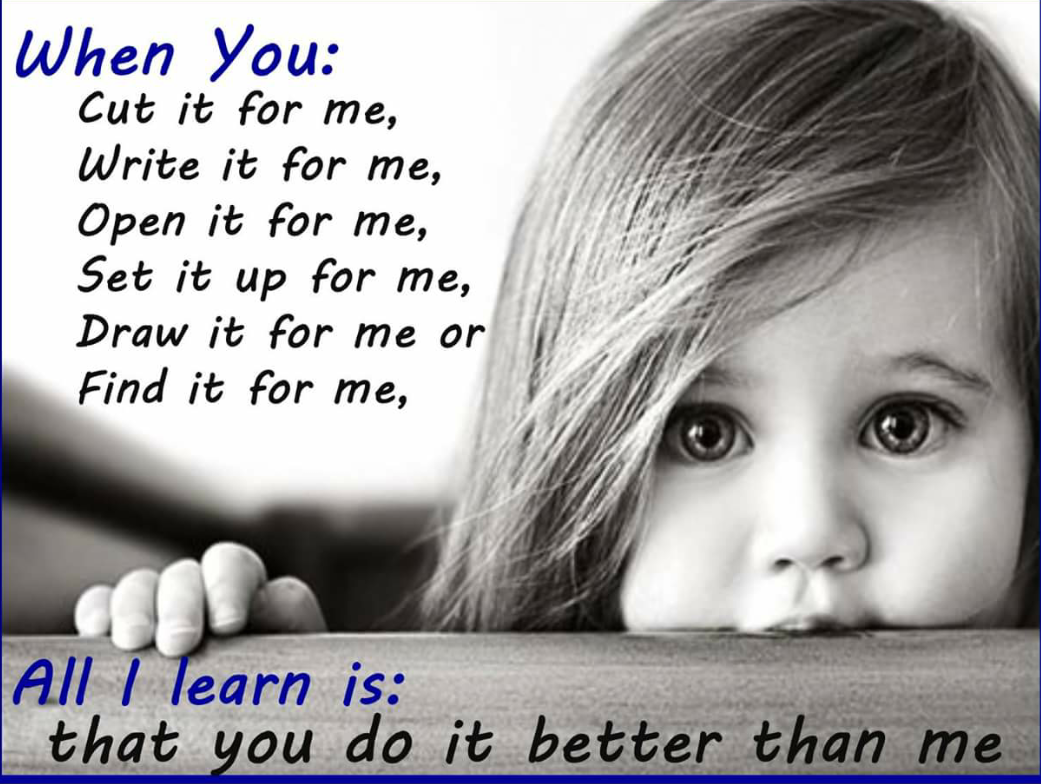
Sometimes, we adults forget the children are ready for more.  In our quest to help and show children ‘the right way’, we can inhibit their creativity, individual expression and self-confidence.

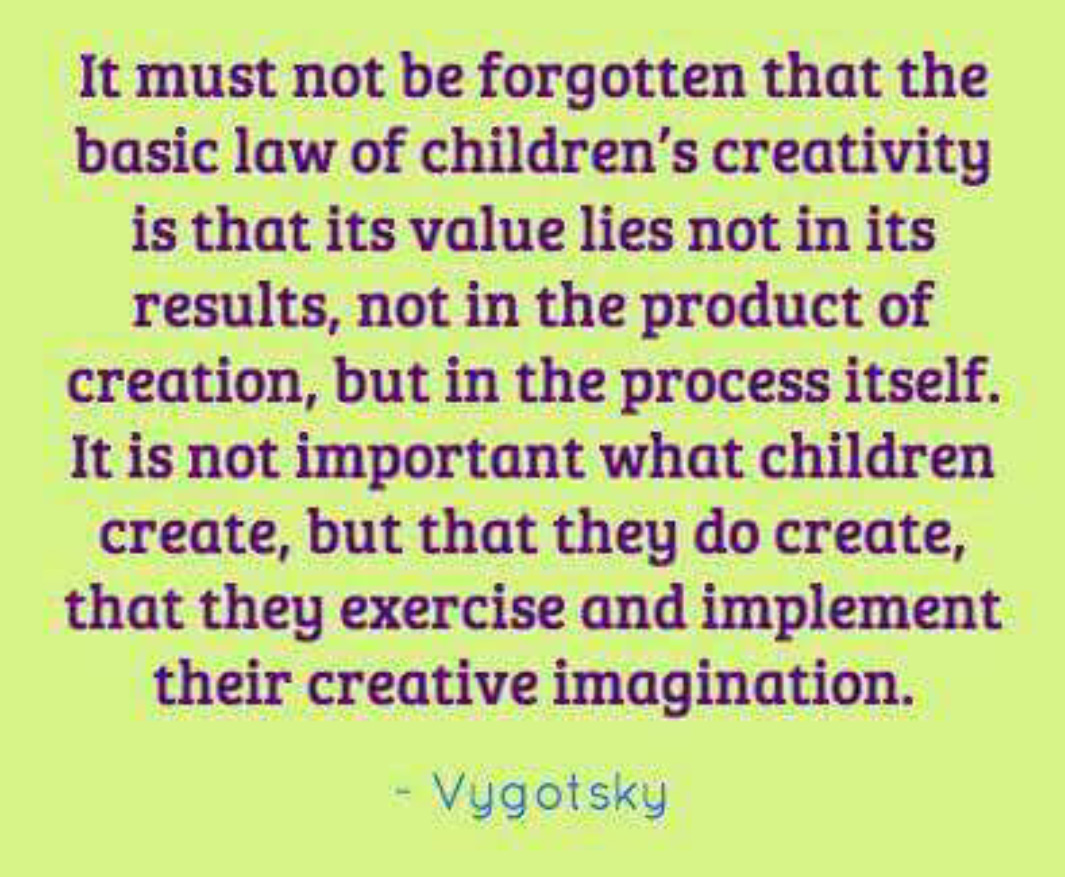
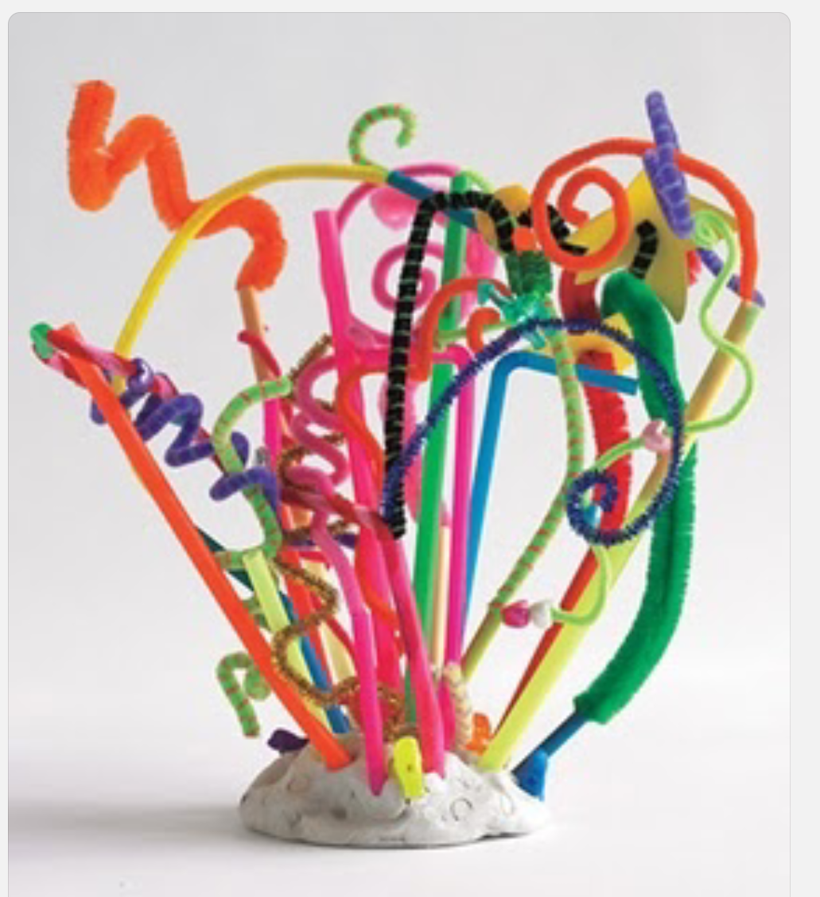
Quality early learning activities are developmentally appropriate, open-ended, child created and teacher supported. Children are able to explore and experiment, make decisions and choices.  Teachers scaffold and extend the activity as they observe and learn about the children’s skills and interests.

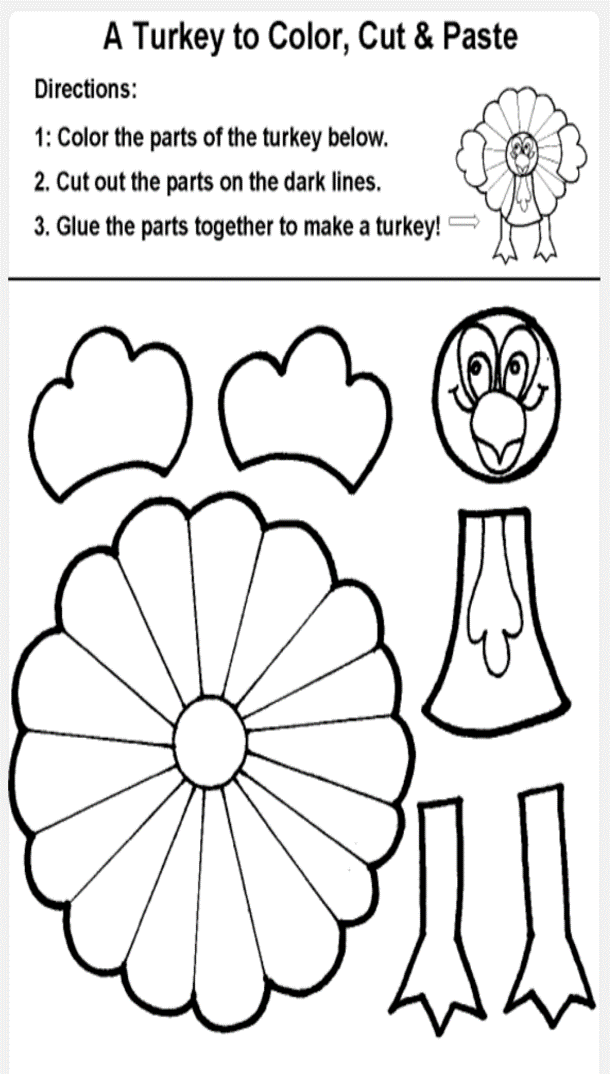
If the activity requires an adult to prepare the materials, direct the process and contol the final product; it’s not developmentally appropriate and it’s not a quality early learning activity.

Cute or Quality

f -R1-104-5A

Developmentally appropriate practice and early learning activities are popular and important discussions among early childhood educators.  These professional conversations can become passionate debates about best practices for young children.

Books and magazines; search engines and social media sites provide an array of ideas for a multitude of holidays, themes, or studies.  Activities abound for infants and toddlers; preschoolers and kindergarteners; and every other age and grade level.

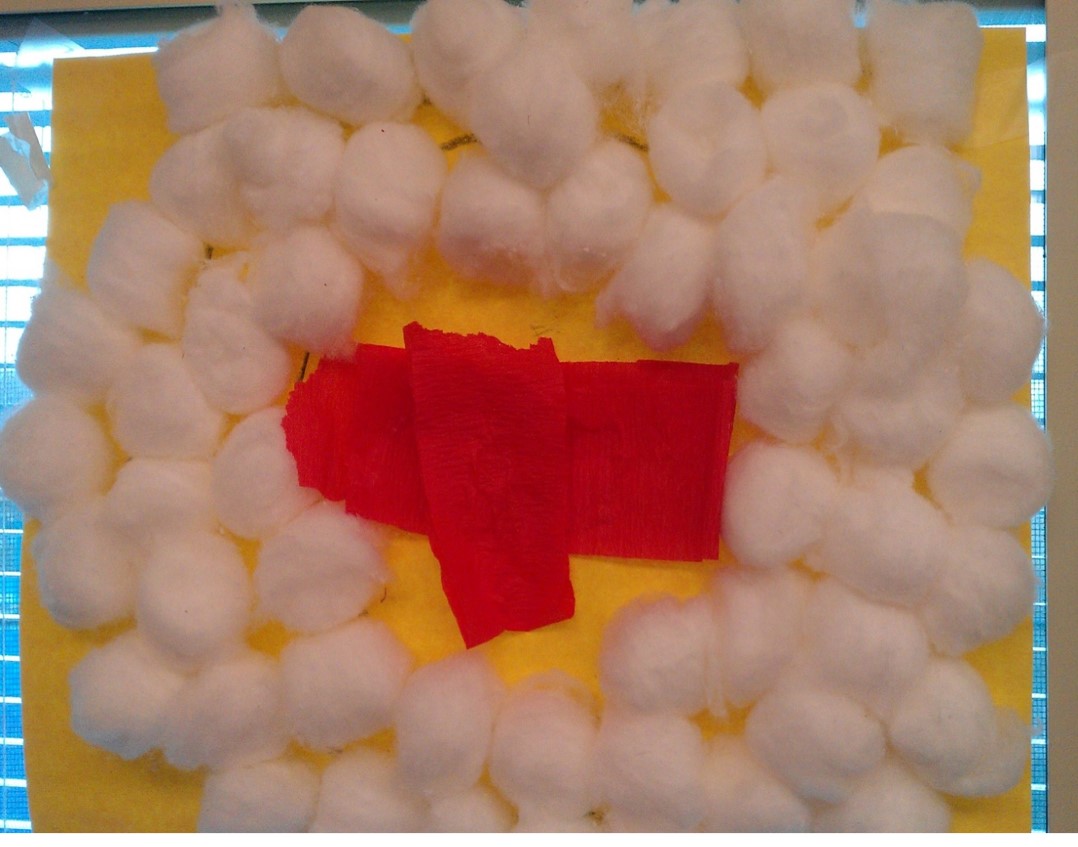
At first sight, we might think… “aww, that’s cute.” But let’s take a few minutes to pause and take a closer look at the activity, not by looking at the final product but by reflecting on the process the children and teacher took to get there.

  • Was the activity child initiated or teacher directed?
  • What choices did the child make?
  • What skills did the child strengthen or learn?
  • What materials were the child able to explore?
  • Was the process open-ended?
  • Was individual expression encouraged?
  • Was the child forced, coerced, or rushed?

Was the final product just cute or was it a quality early learning experience?